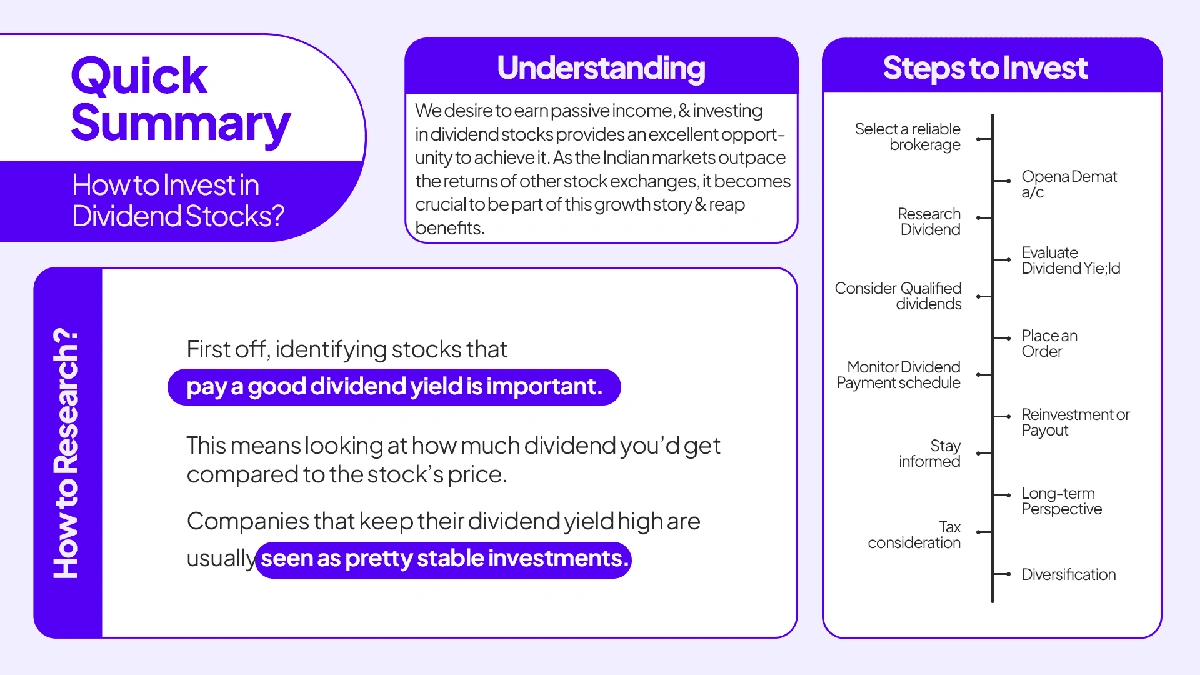
Okay, let’s talk dividend stocks . Not just any dividend stocks, but the ex-dividend ones making waves this week. Coal India, NTPC, BPCL, Shriram Finance – these names are buzzing, and there are 20+ others joining the party. But here’s the thing – why should you, sitting there with your chai, even care? Let’s be honest, most articles just list the stocks and the dividend amount. We are diving deeper. It is about more than just chasing quick returns; it is about understanding the bigger picture, and that is what we are here for.
Why Ex-Dividend Dates Matter (More Than You Think)

So, what’s the deal with ex-dividend dates? Simply put, it’s the cut-off date. If you own the stock before this date, you’re entitled to the dividend. Buy it on or after, and the dividend goes to the previous owner. But here’s where it gets interesting. A common mistake I see people make is thinking they can just buy a stock right before the ex-dividend date and cash in. Smart, right? Well, not really. Because, in theory (and often in practice), the stock price tends to drop by roughly the amount of the dividend on the ex-dividend date. This is known as dividend capture , and it is important to understand.
Why does this happen? It’s all about market efficiency. The dividend payment is essentially a transfer of cash from the company to the shareholders. The company’s overall value decreases by that amount, reflecting in the stock price. But, (and this is a big but), sometimes the market overreacts. Sometimes, the stock dips more than the dividend amount, creating a potential buying opportunity. Conversely, it might not dip enough, making it a risky buy. So, it is important to do your due diligence .
And speaking of opportunities, let us delve into what ex-dividend means for these stocks.
The Big Players | Coal India, NTPC, BPCL, Shriram Finance
Let’s break down some of the big names on this week’s ex-dividend list:
- Coal India: A behemoth in the coal sector, Coal India often offers attractive dividends. But remember, the coal sector faces environmental concerns and fluctuating demand. Consider these factors.
- NTPC: As one of India’s largest power generators, NTPC’s dividends are often seen as stable and reliable. But like Coal India, they are not immune to shifts in energy policy and the rise of renewable energy.
- BPCL: The oil and gas sector is always a rollercoaster. BPCL’s dividends can be juicy, but they are heavily influenced by global oil prices and government regulations. This sector provides high dividend yield stocks .
- Shriram Finance: A non-banking financial company (NBFC), Shriram Finance’s performance is tied to the overall health of the Indian economy and the lending sector. Keep an eye on interest rates and regulatory changes.
What fascinates me is how each of these companies operates in vastly different sectors, yet they all share one thing in common this week: they’re all going ex-dividend. This tells us something about the overall market sentiment and the companies’ confidence in their ability to generate profits. Now, before you go all in, remember the market has dividend investment strategies that you can always fall back on.
Do not forget to account for corporate actions to have a holistic view of where a stock stands.

Navigating the Risks and Rewards
Investing in ex-dividend stocks isn’t a guaranteed path to riches. There are risks involved. The stock price could drop significantly after the ex-dividend date, wiping out your gains. The company might cut or suspend its dividend in the future due to financial difficulties. The tax implications can also be complex, depending on your individual circumstances. So, here is something important to keep in mind. If you are not careful, you could fall prey to dividend traps .
But, there are potential rewards too. A well-chosen dividend stock can provide a steady stream of income, especially useful in retirement. It can also act as a hedge against inflation, as dividend payments tend to increase over time. And, if you reinvest the dividends, you can potentially amplify your returns through the power of compounding. A common mistake I see people make is not understanding the tax implications of dividends. Dividends are taxable, and the tax rate depends on your income bracket. But, hey, if you are getting a dividend, you have a reason to smile! Make sure you report all your dividends.
Beyond the Headlines | Long-Term Investing vs. Short-Term Gains
Here’s the thing: chasing ex-dividend stocks for short-term gains can be a risky game. It’s more like gambling than investing, to be honest. A more sustainable approach is to focus on long-term investing in companies with a history of consistent dividend payments and strong fundamentals. Look for companies with a solid track record, a healthy payout ratio (the percentage of earnings paid out as dividends), and a commitment to returning value to shareholders. Understanding the impact of dividend income is crucial.
Think of it this way: you’re not just buying a stock; you’re becoming a part-owner of a business. You want to own a business that is well-managed, profitable, and committed to sharing its success with its owners. And if you want to know about the ins and outs of the market, do visit Finance Spiral . As per the guidelines, this is my personal experience. It is something that I have tried before. You should always ensure that the fundamentals of the company are strong.
Let me rephrase that for clarity: Don’t just chase the dividend yield; chase the underlying value. If the underlying value is strong, you have nothing to worry about.
One of the most crucial dividend strategies for retirement is to diversify. Do not put all your eggs in one basket.
Conclusion | Are These Stocks Right for You?
So, Coal India, NTPC, BPCL, Shriram Finance, and the 20+ others going ex-dividend this week? They might be worth a look, but only if they align with your overall investment strategy and risk tolerance. Do your research, understand the risks, and don’t let the lure of a quick dividend cloud your judgment.

What fascinates me most is how these events highlight the constant interplay between short-term opportunities and long-term value in the stock market. Ultimately, the best investment decisions are the ones that are well-informed, well-reasoned, and aligned with your individual goals. You can also visit Wikipedia to read more about dividends .
FAQ Section
What exactly does “ex-dividend” mean?
It means that if you buy the stock on or after the ex-dividend date, you won’t receive the upcoming dividend payment. The dividend will go to the previous owner.
How do I find the ex-dividend date for a particular stock?
You can find this information on most financial websites, including Google Finance, Yahoo Finance, and the company’s investor relations page.
Is it always a good idea to buy a stock before the ex-dividend date?
Not necessarily. The stock price often drops by the amount of the dividend on the ex-dividend date, so you might not actually make a profit.
What are some things to consider before investing in ex-dividend stocks?
Consider the company’s financial health, its history of dividend payments, and the overall market conditions. Do not forget to account for types of dividends offered.
Where can I learn more about dividend investing?
There are many resources available online and in libraries. Consider reading books, articles, and blogs about dividend investing. And remember to keep learning !
Disclaimer: ऊपर दिए गए विचार और सिफारिशें व्यक्तिगत विश्लेषकों या ब्रोकिंग कंपनियों की हैं, न कि "Finance Ghar" की। हम निवेशकों को सलाह देते हैं कि किसी भी निवेश निर्णय लेने से पहले प्रमाणित विशेषज्ञों से परामर्श करें। निवेश में जोखिम होता है और सही जानकारी के बिना निर्णय लेना हानिकारक हो सकता है।